Johk Biong Loses Over $200,000 in Devastating Global Market Crash
Published 4 months ago · Eye Radio
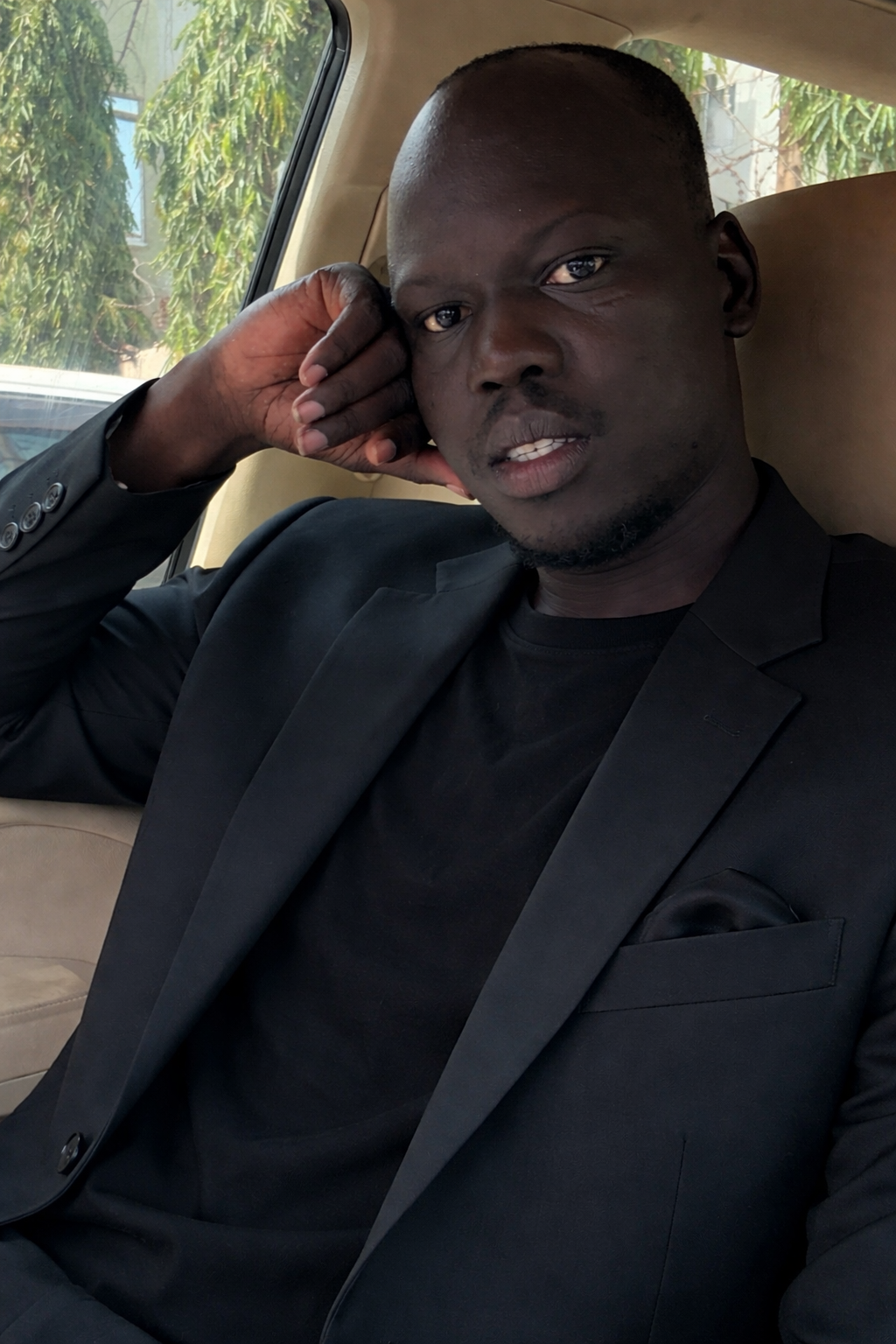
Johk Biong, South Sudanese forex trader, pictured following the market crash that wiped out over $200,000 of his investments.
South Sudanese forex trader Johk Biong has revealed that he lost over $200,000 in a sudden and catastrophic global market crash that sent shockwaves through financial markets earlier this year. The 32-year-old trader, who had built his portfolio over several years of disciplined investing, described the experience as one of the most painful and humbling moments of his trading career.
"I watched everything collapse in a matter of days," Biong told Eye Radio. "Positions I had carefully built over months were wiped out almost overnight. It was devastating — not just financially, but emotionally and psychologically."
What Happened
The crash, triggered by a combination of rising global interest rates, geopolitical tensions, and a sudden liquidity crisis in major currency pairs, caused extreme volatility across forex, equities, and commodity markets. Within 72 hours, several major currency pairs moved by unprecedented margins, catching many traders off guard.
Biong, who had leveraged positions across multiple currency pairs including USD/JPY and EUR/USD, found himself unable to exit his trades fast enough as markets moved against him. Stop-loss orders that should have protected his capital failed to execute at expected levels due to the extreme market conditions — a phenomenon known as "slippage."
The Scale of the Loss
According to Biong, the total losses exceeded $200,000 — a sum that represented years of accumulated trading profits and personal savings. He described the moment he realized the full extent of the damage as "surreal."
"I kept refreshing my account, hoping the numbers would change. But they didn't. I had to accept that the money was gone," he said. "It's a loss that would break most people. I won't pretend it didn't break me — at least for a while."
Lessons Learned
Despite the enormous financial blow, Biong has chosen to speak publicly about his experience as a warning to other traders — particularly young Africans who are increasingly entering the forex market without fully understanding the risks involved.
"I made mistakes. I over-leveraged. I was too confident in my analysis and didn't account for black swan events," he admitted. "No matter how experienced you are, the market can always surprise you. Risk management is not optional — it is everything."
He urged aspiring traders to never risk more than they can afford to lose, to use conservative leverage, and to always have a clear exit strategy before entering any trade.
Road to Recovery
Biong says he has taken a step back from active trading to reassess his strategy and rebuild his mental resilience. He has been studying the mechanics of the crash in detail and working with a small group of mentors to refine his approach to risk management.
"I'm not done. This is a setback, not the end," he said with determination. "Every great trader has a story of a major loss. What defines you is how you respond. I intend to come back stronger, wiser, and more disciplined than before."
A Message to Young Traders
Johk Biong's story has resonated deeply within the South Sudanese and broader East African trading community. Many young traders who look up to him have expressed admiration for his honesty and transparency in sharing such a painful experience.
"I could have stayed silent. But if my story saves even one person from making the same mistakes, then the loss was not entirely in vain," he said. "Financial education is not just about learning how to make money — it's about learning how to protect it, and how to survive when things go wrong."
Editor's Note: Forex trading carries significant financial risk. Traders can lose more than their initial investment. Eye Radio encourages readers to seek professional financial advice before engaging in any form of trading or investment.